Felony vs. Misdemeanor in Montana: What’s the Real Difference?
When you’re facing criminal charges, the label attached to that charge can feel overwhelming. You may be worried about your job, your family, or how a single accusation could follow you for years. If you’re in this position, it’s normal to feel anxious, confused, and unsure where to turn next.
At Carl Jensen Jr., I work with clients in Great Falls, Montana, and throughout central Montana who are dealing with these exact concerns. As a criminal law attorney, my goal is to help you make sense of what you’re facing and take steps that protect your future.
If you’re unsure whether a charge is a felony or a misdemeanor—or what that distinction truly means—this guide is designed to provide clarity. Reach out to me to talk about your situation and get answers tailored to your case.
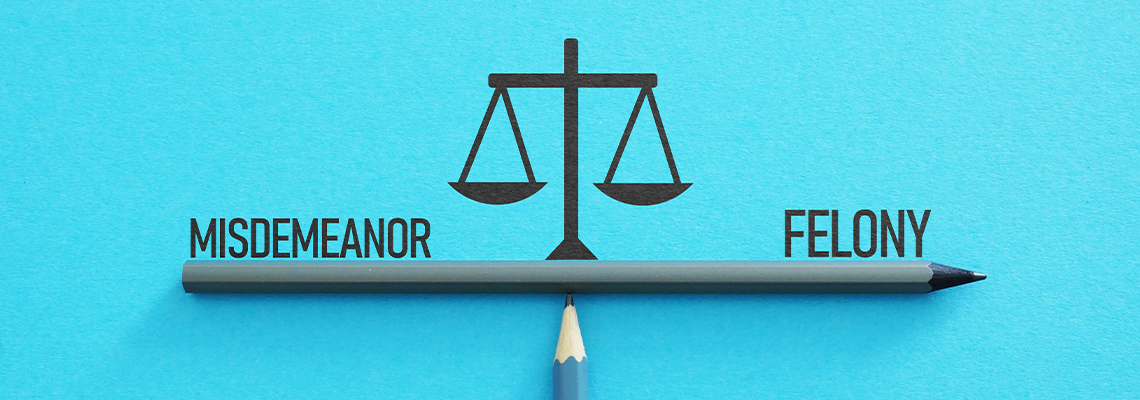
In Montana, crimes are generally divided into two categories: felonies and misdemeanors. While both can carry serious consequences, the distinction matters because it affects potential penalties, long-term consequences, and how a case is handled in court.
A felony is the more serious category. Felony charges often involve allegations of significant harm, major financial loss, or repeat offenses. Convictions can lead to lengthy prison sentences and lasting restrictions on your rights.
A misdemeanor is considered less severe, but that doesn’t mean it’s minor. Misdemeanor convictions can still lead to jail time, fines, and a criminal record that impacts your daily life.
I often remind clients that the charge classification is just the starting point. The specific facts of your case, your history, and how the prosecution proceeds all play a role in what happens next.
The most noticeable difference between felonies and misdemeanors is the potential punishment. Montana law sets clear limits, but judges often have discretion within those ranges.
Before getting into the penalties, it’s important to understand that sentencing isn’t automatic. Outcomes are influenced by evidence, negotiations, and court rulings. However, being aware of the potential consequences highlights the importance of seeking legal assistance early.
Typical felony penalties include:
State prison sentences that may range from one year to life, depending on the charge
Significant fines that can reach tens of thousands of dollars
Long-term probation or parole conditions
Loss of certain civil rights, such as firearm ownership
These potential penalties highlight why felony charges carry such serious, long-lasting consequences and why addressing them promptly can have a meaningful impact on the outcome.
Typical misdemeanor penalties include:
Jail time, usually served in a county facility
Fines that are lower than felony-level penalties
Shorter probation periods
Court-ordered programs or community service
While misdemeanor penalties are generally less severe, they can still disrupt your life in significant ways if they aren’t handled carefully.
These penalties don’t exist in isolation. Even a misdemeanor conviction can disrupt your employment or housing options. I strive to limit these outcomes wherever possible so you’re not defined by a single moment.
A criminal record can follow you long after a case ends. Many clients are surprised by how often background checks are used in everyday life, from job applications to housing applications.
Before breaking this down further, it’s important to remember that not every charge leads to a conviction. The steps taken early in a case can make a real difference.
Ways a felony record can impact your life include:
Difficulty finding employment, especially in regulated industries
Barriers to professional licensing
Restrictions on voting or firearm possession
Increased penalties for future charges
Taken together, these consequences show how a felony record can affect nearly every part of your life long after the case is over, making early and informed legal decisions especially important.
Ways a misdemeanor record can still cause problems include:
Employers questioning reliability or trust
Challenges with rental applications
Higher insurance rates in some situations
Even though misdemeanors are less severe than felonies, a conviction can still create ongoing obstacles that affect your opportunities and day-to-day stability.
I approach each case with an eye toward your future, not just the immediate court date. As a criminal defense attorney, I work to reduce or avoid convictions when possible and to pursue options that limit long-term harm.
Timing plays a significant role in criminal cases. The earlier you get legal guidance, the more options you may have. Waiting too long can limit those options and make it harder to protect your rights.
Before summarizing why this matters, it’s worth noting that you don’t have to face this alone. Many people feel hesitant to call a lawyer, but a conversation can provide immediate clarity.
Benefits of early involvement from an attorney include:
Reviewing charges for errors or overreach
Preserving evidence that supports your side
Advising you before speaking with law enforcement
Pursuing reduced charges or alternative resolutions
Early action doesn’t assure a specific result, but it can change the direction of a case. My role is to help you make informed decisions from the start, grounded in Montana law and your personal goals.
Facing a felony or misdemeanor charge can be an isolating experience, but you don’t have to deal with it alone. I work closely with clients to clarify the situation, outline what’s at stake, and determine the best next steps. Regardless of whether the charge is a felony or misdemeanor, its impact on your life is significant and demands thoughtful attention.
At Carl Jensen Jr., I serve individuals in Great Falls, Montana, and throughout central Montana who need steady guidance during stressful times. As an experienced criminal defense attorney, I focus on helping you move forward with clarity and confidence, not judgment.
If you’re dealing with criminal charges or have questions about your situation, reach out to my firm today to discuss how I can help protect your future.